Superior Memory Support Programs: Why They Are Important for Loved Ones
Quality memory care services function as an critical element for families dealing with the intricacies of dementia. These services deliver tailored support that meets both the demands of residents and their supporters. By fostering safety, ease, and interpersonal bonds, quality care helps to reduce feelings of isolation. However, not all memory care facilities are equivalent. Knowing what to identify can substantially shape the well-being of those affected. What key features should families highlight?
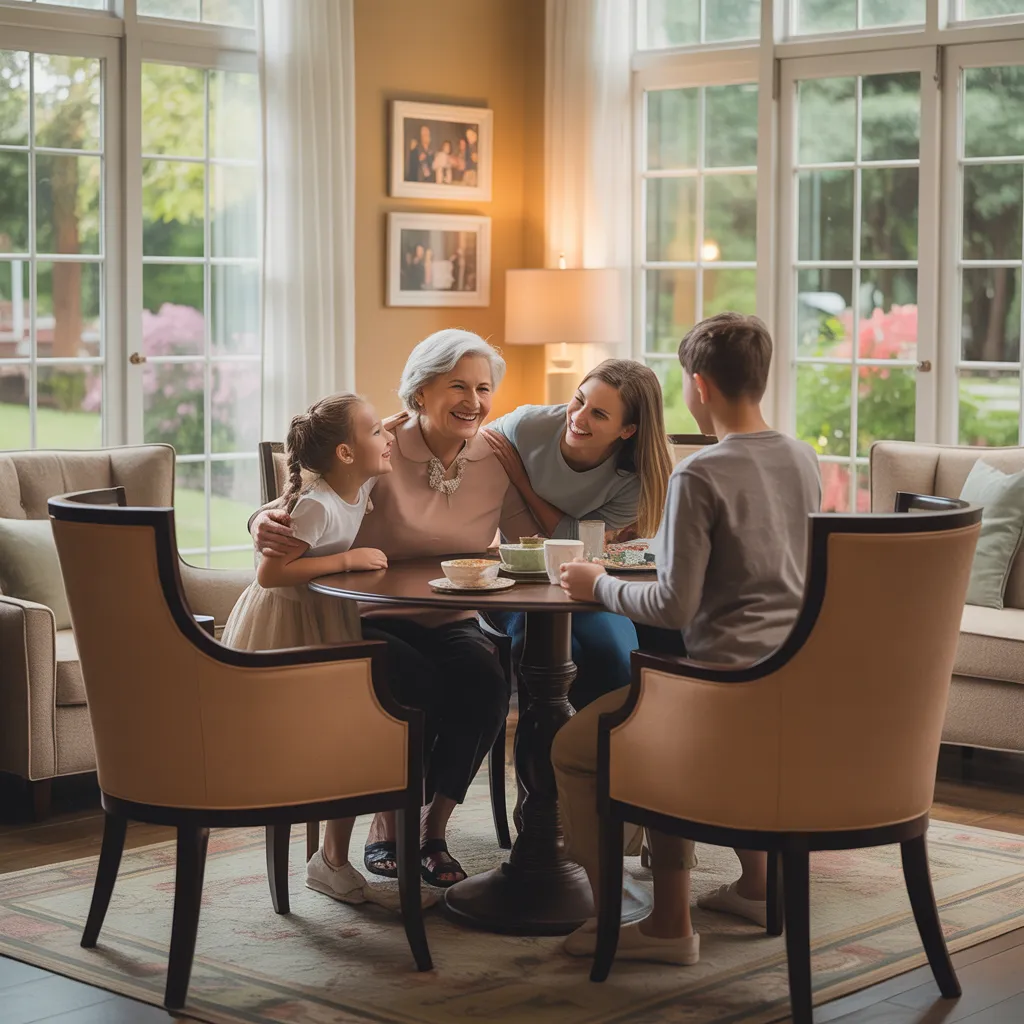
Dementia: Difficulties and Remedies
Dementia introduces a complicated range of obstacles for individuals, families, and caregivers in like manner. The cognitive decline linked to dementia impacts memory, reasoning, and daily functioning, complicating routine tasks and increasing reliance on others. Families commonly struggle with the psychological strain of witnessing their loved ones' deterioration, leading to feelings of helplessness and frustration. Caregivers face the burden of managing physical care while handling the unpredictable behaviors associated with the condition.
To address these difficulties, premium dementia care programs offer structured environments created to enhance the standard of living for people suffering from dementia. Such services typically include specialized training for staff, customized engagement activities, and treatment approaches intended at maintaining cognitive function. Furthermore, these facilities provide relief for loved ones, enabling them to refresh while guaranteeing their loved ones receive appropriate care. In the end, successful approaches can considerably reduce the challenges associated with dementia, fostering a caring environment for all participating.
Emotional Care for Family Groups
Managing care for a loved one struggling with mental deterioration can exert significant emotional strain on families. The demands of everyday care tasks often causes feelings of isolation, anxiety, and grief. Family members may struggle with the slow decline of their family member's identity, establishing a profound sense of sadness. This mental toll can effect not only the primary caregiver but also brothers, sisters, and extended relatives, leading to troubled connections and heightened discord.
Obtaining mental health assistance is necessary for groups working through these obstacles. Support groups, therapeutic programs, and community resources can supply an opportunity for talking about situations and managing stress. Connecting with persons who recognize parallel challenges develops a feeling of connection and lessens emotional loneliness. In essence, focusing on psychological health is critical for groups, as it permits them to deliver caring support while also sustaining their own emotional wellness.
The Value of Professional Memory Services
Specialized memory care plays an essential role in improving the quality of life for people facing mental deterioration. These services are designed to meet the unique needs of residents with conditions such as Alzheimer's or other forms of dementia. Trained staff members understand the complexities of cognitive impairments and apply customized approaches that encourage engagement and comfort.
In a specialized environment, residents benefit from structured routines that help reduce anxiety and disorientation. Activities are deliberately planned to enhance cognitive function and encourage social interaction, building a sense of community. Additionally, the emphasis on safety and security guarantees that individuals can explore their surroundings without avoidable risks.
Families commonly achieve comfort knowing their treasured relatives are receiving dedicated care in a welcoming setting. Overall, dedicated cognitive care not only addresses physical needs but also promotes emotional well-being, making it a key component of care for those experiencing cognitive decline.
Key Elements to copyrightine in Memory Care Communities
When evaluating memory care centers, what vital features should families focus on? Above all, security protocols are essential. Centers should have protected settings that prevent wandering, with elements like secured outdoor areas and supervised access points. Additionally, staff-to-resident ratios are vital; increased ratios often indicate more personalized care and attention.
Following this, families should assess the skills and preparation of caregivers. Personnel should be educated in memory loss support, guaranteeing they grasp the distinctive requirements of residents. Activities and programming developed to boost cognitive function and social interaction also serve as a vital component, as they enhance standard of living.
Additionally, relatives should evaluate the facility's cleanliness and general environment. A friendly setting can greatly impact residents' quality of life. Finally, openness regarding costs and services is crucial, allowing families to make informed decisions. By concentrating on these essential features, families can choose the most suitable memory care facility for their family members.
The Way Quality Memory Care Enriches Dignity and Contentment
Superior memory care offerings highlight honor and comfort through individualized strategies that fulfill unique requirements. Customized care plans, accompanied by caring staff relationships, build a supportive environment for residents. In addition, secure and engaging spaces encourage a sense of community and health, boosting the overall quality of life.
Customized Medical Care Approaches
Personalized care plans play an important role in enhancing the dignity and comfort of individuals in memory care facilities. These customized methods consider each resident's unique history, preferences, and cognitive abilities, ensuring that care is not only effective but also respectful. By involving families in the development of these plans, facilities foster a cooperative environment that prioritizes the individual’s needs and wishes. This customization enhances the sense of identity and autonomy, allowing residents to engage in activities that resonate with their past experiences. Additionally, personalized care plans can adapt over time, responding to changing needs and preferences. Such attention to individuality greatly contributes to a better quality of life, promoting emotional well-being and a sense of belonging within the care community.
Compassionate Staff Interaction
Effective memory care copyrights on not only personalized care plans but also on the empathetic exchanges between staff and residents. Such interactions create an atmosphere of trust, essential for individuals facing the challenges of memory loss. Empathetic caregivers approach each resident with empathy, recognizing their unique histories and emotional needs. By engaging in meaningful conversations and demonstrating patience, these caregivers enhance the dignity of each individual, ensuring they feel valued and understood. This approach not only alleviates anxiety but also promotes a sense of belonging, important for emotional well-being. Ultimately, quality memory care flourishes when staff prioritize compassionate engagement, changing care from a routine task into a caring experience that prioritizes comfort and respect.
Protected, Compelling Locations
Building a secure and stimulating environment is important for supporting dignity and comfort in memory care environments. Quality memory care facilities prioritize secure surroundings, reducing risks linked with wandering or accidents. Thoughtful spaces encourage independence, enabling residents to move freely while feeling safe. Activities that are interesting and personalized to individual interests enhance cognitive function and foster social connections among residents. These environments encourage participation, decreasing feelings of isolation and improving overall well-being. Moreover, the atmosphere should project warmth and familiarity, using personal touches that resonate with the history of each resident. By integrating safety with engagement, memory care services not only preserve individual dignity but also create a comforting space where residents can thrive despite their challenges.
How Community Support Creates a Difference in Memory Care
Community backing plays an essential role in upgrading memory care services by encouraging emotional connections and bonding among individuals. Access to resources within the community can markedly enhance the quality of care, offering important tools and information. In addition, enhanced social interaction occasions factor to the overall wellness of those concerned by memory challenges.
Emotions Link and Bonding
Emotional connections serve as a cornerstone in memory care, creating an environment where individuals feel understood. In memory care settings, community support develops meaningful associations among residents, caregivers, and families. These bonds not only improve emotional well-being but also enhance a sense of belonging. When caregivers engage compassionately with residents, they provide a safe space for sharing feelings and experiences, which can diminish feelings of isolation. Additionally, group activities and social interactions promote residents to connect with one another, bolstering their sense of identity and purpose. This emotional foundation has a profound impact on the overall quality of care, as individuals flourish when they feel connected, ultimately leading to better cognitive function and an improved quality of life.
Gaining Access to Resources
Access to materials plays a essential role in boosting memory care services, building upon the strong emotional connections established among residents and caregivers. Community support provides essential tools and information that equip families to make educated decisions about care options. Local organizations frequently arrange educational workshops, respite services, and support groups, which can reduce the burden on caregivers and improve their understanding of dementia-related challenges. Access to skilled professionals, such as social workers and therapists, additionally enriches the care experience. Additionally, collaboration with close healthcare facilities assures that residents receive thorough and coordinated care. Overall, a strong network of community resources fosters a positive environment that significantly improves the quality of life for individuals with memory impairments and their families.
Improved Social Engagement
How can boosted community participation transform the circumstances of beings with cognitive impairments? Connecting communally within a helpful network renders feelings and thinking advantages that are essential for those facing memory challenges. Involvement in group activities fosters connections, lessening feelings of isolation and loneliness. These contacts stimulate cognitive function, helping to maintain existing skills and possibly curtailing cognitive decline. Additionally, community support encourages a notion of acceptance, which can powerfully boost mood and overall well-being. Senior care environments that prioritize community participation construct atmospheres where individuals can establish close bonds, enhancing quality of life. This communal approach not only benefits residents but also provides families with comfort level, knowing their loved ones are thriving in a caring space.
Extended-Term Advantages of Superior Memory Care
While many families may start by seeking memory care services primarily for direct aid, the long-term rewards of quality memory care extend far beyond short-term relief. These services not only supply essential daily assistance but also foster a structured environment that supports cognitive engagement and emotional well-being. Through adapted activities and therapeutic interventions, residents can show improvements in memory retention and overall mental health.
Also, superior memory care builds a sense of community, reducing feelings of isolation and anxiety often associated with memory disorders. This compassionate setting benefits families by alleviating stress and providing peace of mind, knowing their loved ones are in capable hands. Moreover, skilled staff members can extend ongoing guidance, helping families navigate the complexities of dementia care. Ultimately, allocating resources to quality dementia support programs yields valuable benefits, enhancing the quality of life for both individuals with memory impairments and their families over the long term.
Frequently Requested Questions
What Are the Ways to Detect Beginning Signs of Memory Difficulties?
Early indicators of memory difficulties can consist of regular forgetfulness, difficulty following conversations, losing track of possessions, having trouble remembering what just happened, and changes in mood or behavior. Noticing these symptoms may warrant a medical assessment for further assessment.
What Fees Are Linked to Memory Care Services?
Costs associated with memory care services vary widely, typically ranging from $3,000 to $7,000 monthly. Factors affecting pricing include location, facility amenities, and the level of personalized care needed by each individual.
How Do I Select the Right Memory Care Community?
Picking the ideal memory care facility includes conducting research on options, visiting the sites, assessing staff qualifications, evaluating security standards, looking at engagement programs, and incorporating family feedback, making sure the facility corresponds to the individual's unique needs and wants.
What Duties Do Caregivers Handle in Memory Assistance?
Caregivers offer essential support in memory care by delivering emotional companionship, assisting with daily activities, and implementing personalized care plans. Their training and compassion greatly improve the quality of life for individuals with memory impairments.
Are Memory Care Services Capable of handling Different Stages of Dementia?
Dementia care services can successfully meet different stages of dementia by tailoring support and therapies to specific requirements. This adaptability guarantees residents receive appropriate care, enhancing their quality of life throughout the progression of the disease.
|Alzheimer's and Dementia Solutions: Tailored Memory Care Solutions
Memory care services play a vital role in assisting individuals with Alzheimer's and dementia. These specialized programs concentrate on enhancing quality of life through customized treatment approaches and trained staff. They establish safe environments that promote cognitive engagement and social interaction. Understanding the essential features of these services can help families manage the complexities of care. What specific elements affect their effectiveness, and how can families best engage in this journey?
Exploring Memory Care Options and the Ways They Can Help Families?
How exactly do memory care services work, and in what ways can they help loved ones navigating the obstacles of cognitive decline? Memory care programs are specialized programs designed to support people with Alzheimer's disease, dementia, and other neurological conditions. These programs deliver a structured environment tailored to satisfy the particular requirements of residents, encouraging safety, engagement, and respect.
Families commonly encounter emotional and practical difficulties when caring for family members dealing with memory loss. Memory care facilities offer support through qualified professionals who comprehend the complexities of these conditions. This includes developing personalized care plans, overseeing proper medication administration, and promoting meaningful social engagement.
The environment in dementia care settings is specifically designed to reduce confusion and promote independence, allowing residents to engage in meaningful activities. By providing relief for care providers, dementia care programs allow loved ones to focus on their well-being while knowing their loved ones are in a secure, caring setting.
Essential Qualities of High-Performing Memory Care Solutions
Successful memory care programs integrate several important elements that boost the quality of life for residents. First, individualized care plans are essential, as they address each resident's particular circumstances, preferences, and challenges. These plans are regularly updated to reflect any changes in condition. Additionally, trained staff members provide targeted care, ensuring that caregivers grasp the complexities of Alzheimer's and dementia.
Furthermore, participating in programs created to stimulate cognitive function and promote social interaction are highly important. Activities typically feature memory exercises, arts and crafts, and therapeutic music sessions, creating a sense of community among residents. Protected and secure spaces are equally important, allowing residents to move about safely while minimizing the risk of accidents.
At the end, family involvement is recommended, developing a supportive community that keeps residents feeling attached. Together, these features contribute to a comprehensive system that values honor, ease, and wellness.
How Can Memory Care Environments Advance Well-being and Comfort?
Memory care environments are developed with many protective measures that markedly enhance residents' well-being and quality of life. These spaces typically incorporate protected floor plans that minimize confusion and wandering, ensuring that residents can move freely without the risk of getting lost. Anti-slip flooring, grab bars, and well-lit common areas further contribute to a secure atmosphere.
Additionally, memory care environments often use calming colors and recognizable furnishings to create a peaceful atmosphere. This carefully planned layout helps reduce stress and encourages a feeling of community. Outside areas are also integral, providing individuals with connection with the outdoors, which has been proven to enhance emotional well-being and overall health.
Emergency response systems and staff trained in safety protocols certify that help is readily available when needed. By zeroing in on these elements, memory care environments prioritize the safety and comfort of residents, facilitating them to thrive in a compassionate environment tailored to their unique needs.
What Experienced Staff Bring as a Change in Memory Care
While the surroundings plays an essential role in memory care, the proficiency and compassion of experienced personnel are equally important to enhancing residents' quality of life. Trained professionals grasp the challenges of Alzheimer's and dementia, employing targeted approaches to connect productively with residents. Their ability to recognize unique requirements allows for tailored assistance, building a atmosphere of protection and reliance.
Furthermore, team members are equipped to address difficult behaviors, using empathy and patience to prevent emergencies. They create engaging activities adapted to residents' interests, promoting cognitive development and social interaction. Consistent professional development guarantees that personnel stay updated on contemporary best practices and innovative approaches in dementia support.
This knowledge not only enhances the emotional health of residents but also offers relatives with assurance in the care their loved ones obtain. Ultimately, the passion and skills of experienced personnel produce a substantial impression on the complete experience of individuals dealing with memory impairments.
Integrating Families into Memory Care: Proven Practices
Including families in memory care is important for boosting the quality of life of people experiencing mental decline. Effective dialogue techniques and planned family involvement initiatives can strengthen these connections, establishing a supportive setting. By focusing on family engagement, care providers can more effectively meet the particular requirements of every person.
Effective Dialogue Strategies
Effective communication strategies play an essential role in enhancing the quality of support for people with memory impairments. Clear, simple language is essential; caregivers and family members should speak slowly and use familiar terms to prevent misunderstanding. Non-verbal cues, such as gestures and facial expressions, can greatly aid understanding and foster emotional connections. Active listening is critical; caregivers should give their full attention, acknowledging emotions and responding thoughtfully. Additionally, maintaining a calm and patient demeanor helps create a supportive environment. Consistency in daily practices and interaction methods also assists people with memory issues, as it strengthens familiarity. Overall, these approaches not only enhance exchanges but also strengthen relationships, guaranteeing that people feel valued and understood throughout their care journey.
Family Engagement Activities
The involvement of family is key in memory care, as it significantly improves the well-being of individuals facing cognitive challenges. Encouraging family members to join in activities fosters emotional connections and creates a supportive environment. Best practices involve organizing regular family visits that allow meaningful interactions, such as sharing stories or taking part in therapeutic games. Additionally, family members may be included in care planning, ensuring their loved ones’ histories and preferences are respected. Educational workshops also help families with knowledge about Alzheimer’s and dementia, preparing them to better support their loved ones. Ultimately, consistent family participation not only improves care quality but also reinforces relationships, fostering a sense of belonging for those in memory care environments.
Forms of Memory Support Possibilities At Your Disposal
Plentiful memory care options are accessible to fulfill the varied demands of individuals experiencing cognitive challenges. These choices range from specialized memory care facilities to home care support services. Care facilities focusing on memory provide a safe space with trained staff to help residents with daily activities, encourage socialization, and engage them in cognitive therapies.
At-home care programs allow clients to get tailored care in known settings, delivering companionship and assistance with routine chores while keeping independence.
Adult day programs serve as a temporary solution, offering structured activities and interpersonal engagement during daytime hours for those who need supervision.
Also, respite services provides short-term breaks to family caregivers, guaranteeing their loved ones obtain professional care while care providers get a rest.
Each option caters to varying levels of need, ensuring that individuals with Alzheimer's and dementia receive the suitable assistance customized for their specific needs.
Financial Considerations for Cognitive Care Facilities
As individuals and families work through the intricacies of memory care services, monetary factors become a essential component of the process of making decisions. The costs related to memory care can vary considerably, based on factors such as the level of care required, facility location, and available amenities. Monthly fees for memory care facilities often span between several thousand to over ten thousand dollars.
Families need to consider insurance options, including long-term care insurance, Medicare, and Medicaid, as these can shape out-of-pocket expenses. Additionally, recognizing potential hidden costs—such as therapy services or specialized activities—is critical.
Setting aside funds for future care demands is necessary, as the progression of Alzheimer's or dementia may call for increased levels of support. Researching monetary aid options and local resources can also provide comfort. In conclusion, a meticulous monetary strategy guarantees that families can copyright the standard of living their loved ones deserve.
Popular Questions Posed Frequently
How Much Time Does a Average Memory Care Service Typically Require?
Memory care programs generally last for different lengths of time, often extending from several months to years, determined by individual needs, the severity of cognitive decline, and the particular objectives established by caregivers and healthcare professionals.
How Should I Choose the Right Cognitive Support Setting for My Loved One?
Finding the best residential care option means copyrightining possibilities, inspecting sites, assessing staff expertise, evaluating security features, copyrightining available programs, and looking at the facility's atmosphere to guarantee it corresponds to the loved one's needs.
Are Memory Care Services Paid for by Medicare or Insurance?
Memory care programs may be partially covered by Medicare, typically for brief periods of care. However, long-term care often demands private coverage or out-of-pocket payments, leading families to explore various options for financial support.
What Programs Are Offered in Memory Care Communities?
Memory care services typically provide activities such as art therapy, music sessions, exercise classes, cognitive games, gardening, and social events. These activities aim to improve residents' cognitive functions, promote social interaction, and improve overall well-being.
How Do I Engage Properly With Someone Who Has Alzheimer's or Dementia?
Successful interaction with a person who has Alzheimer's or dementia entails utilizing straightforward copyright, sustaining eye contact, speaking at a slow speed, and displaying patience. Nonverbal signals, such as physical movements and expressions on your face, can strengthen understanding and emotional bond.
|Improving Quality of Life Through Specialized Memory Care Services
Specialized memory care services are dedicated to addressing the unique needs of individuals facing cognitive challenges. These services stress personalized care plans and engaging activities to enhance emotional well-being. Structured environments have a crucial role in promoting security supporting information and independence. Families also receive support during the care process. Grasping how these elements combine can uncover important insights into improving quality of life for residents and their loved ones. What are the key components of effective memory care?
Key Insights About Brain Health Services You Require to Know
What considerations should one copyrightine when investigating memory care programs? First, it is vital to evaluate the level of care needed based on the individual's unique circumstances, including their cognitive abilities and daily living skills. The environment of the facility is important; a secure, safe, and engaging atmosphere can significantly improve the well-being for residents. Staff qualifications and training are also essential, as specialized training in dementia care guarantees that caregivers are able to manage difficult conduct with compassion. Additionally, it is vital to review the facility's approach to activities and social engagement, which can foster a sense of community and belonging. Finally, family participation and assistance programs should be assessed, as they contribute to the general health and happiness of both residents and their loved ones. By thoroughly considering these factors, families can choose wisely regarding memory care services.
Why Customized Care Plans Are Important in Alzheimer's Care
Individualized care plans are essential in memory care, as they address the unique requirements and desires of each resident. These plans are customized to take into account individual histories, cognitive abilities, and emotional well-being. By evaluating each resident's strengths and challenges, care providers can develop approaches that promote dignity and independence while ensuring security and ease.
Fostering personalized care plans builds a sense of belonging and enriches overall lifestyle quality. Residents feel valued when their inclinations about daily routines, activities, and social interactions are acknowledged. Additionally, these frameworks facilitate productive interchange between caregivers and families, ensuring everyone is aligned in supporting the resident's journey.
Routine appraisals of these plans enable changes based on varying requirements, supporting a dynamic care approach. Ultimately, tailored care strategies act as a framework for compassionate, effective memory care, producing improved outcomes and a better living experience for residents.
Captivating Pursuits in Memory Care
Engaging experiences maintain an essential importance in memory care, boosting brain activation and peer engagement. These activities are designed to fortify cognitive capacity while strengthening ties among residents. By adopting tailored programs, memory care facilities can establish a enriching habitat that addresses both cerebral and heartfelt needs.
Cognitive Stimulation Exercises
Cognitive activation activities play an essential role in enhancing the quality of life for individuals in memory care. These activities, designed to stimulate the mind, can include puzzles, memory games, and problem-solving tasks that promote cognitive function. By participating in these exercises, residents can improve their memory, attention, and overall mental agility. Such activities not only provide mental engagement but also foster a sense of accomplishment and purpose. Additionally, tailored cognitive stimulation can be adapted to individual preferences and abilities, ensuring that each person remains actively involved. Overall, these activities are crucial in maintaining cognitive health and promoting a positive environment within memory care settings. Through consistent engagement, individuals can experience improved mood and a greater sense of well-being.
Social Participation Possibilities
Connection is an essential aspect for people in memory care, as social engagement opportunities greatly improve their overall health. Activities planned to encourage socializing, including group games, art classes, and community outings, foster relationships among residents. These social activities not only provide pleasure but also support cognitive functioning and emotional health. Regular involvement in social activities encourages communication and reduces feelings of isolation, which are common in memory care settings. In addition, organized social environments allow caregivers to monitor interactions, customizing support to individual needs. By promoting a sense of belonging and community, social engagement has a vital role in enhancing the quality of life for those living with memory challenges, upholding their dignity and self-worth.
Developing Caring Environments in Cognitive Care
Supportive environments in memory care are vital because these spaces significantly impact the quality of life and quality of life of residents. Defined by coziness, safety, and tailoring, such environments allow residents to experience security and appreciated. Layouts that are well-planned support mobility and convenient access, reducing confusion and improving comfort.
Recognizable décor, lighting, and colors contribute significantly to crafting calming atmospheres that stimulate pleasant recollections. Gardens and walking paths, external areas alike, afford chances for relaxation and connection with nature, additionally enhancing the experience.
Staff training in compassion and dialogue fosters purposeful connections, making it possible for care providers to more thoroughly comprehend and respond to resident needs. Additionally, structured routines provide a foundation of stability, helping to alleviate anxiety. Combined, these aspects contribute to a integrated strategy that manages not just the mental challenges tied to memory deterioration but also nurtures interpersonal and emotional wellness, allowing residents to thrive.
The Way Memory Care Facilities Help Families
Memory care centers serve an essential role in supporting families by providing emotional support and tangible tools. They offer educational workshops that prepare families with the knowledge required to navigate the intricacies of memory-related conditions. This comprehensive strategy promotes a stronger connection between families and their family members in care.
Emotional Support For Loved Ones
Many relatives experiencing the challenges associated with a loved one’s memory impairment find comfort through the emotional support given by dedicated memory care facilities. These establishments typically have compassionate staff trained to recognize the unique difficulties families undergo. Regularly held support groups enable families to connect with others facing similar circumstances, fostering a sense of community and shared experience. In addition, individualized counseling sessions address particular emotional needs, helping families deal with feelings of guilt, grief, and frustration. Memory care centers also provide resources to encourage open communication among family members, which promotes healthier family dynamics. This emotional support not only assists families in coping but also improves the quality of care their loved ones receive, creating a more positive environment for all parties involved.
Educational Resources And Programs
Numerous assisted living communities deliver valuable educational resources and workshops intended to strengthen families navigating the complexities of cognitive disorders. These programs often focus on vital information, including the phases of memory disease, communication strategies, and caregiving techniques. By providing expert-led sessions and participatory forums, facilities enable families cultivate a deeper understanding of their family members' circumstances.
Furthermore, materials including educational brochures and online courses complement in-person workshops, ensuring families have access to critical knowledge at their convenience. Peer networks may also be integrated, building community connections among care providers. Ultimately, these educational initiatives not only improve caregivers' skills but also encourage psychological strength, allowing families to navigate challenges with increased confidence and compassion.
Actual Positive Outcomes From Memory Care Facilities
Success accounts from memory care centers illustrate the profound effect specialized support can have on people facing cognitive challenges. One resident, Mrs. Thompson, experienced notable progress after engaging in personalized art therapy sessions. At first reserved, she began to communicate herself artistically, leading to enhanced social interactions and emotional wellness.
Another triumph narrative features Mr. Garcia, who thrived in a organized daily schedule created to enhance memory preservation. Through mental workouts and reminiscence therapy, he recovered his capacity to remember beloved family memories, building relationships with family members.
Facilities additionally incorporate technology-assisted activities, such as virtual reality experiences, which have assisted residents like Ms. Patel navigate familiar environments, decreasing anxiety and confusion.
These practical illustrations illustrate how personalized memory care programs not only boost standard of living but also empower individuals, allowing them to engage more fully with their neighborhood networks and community spaces.
Popular Posed Queries
What Skills Do Staff Members Contribute to Memory Care Facilities?
Individuals employed in memory care centers typically obtain qualifications like degrees in nursing, psychology, or social work, alongside targeted education in cognitive decline management, communication skills, and knowledge in addressing behavioral challenges caused by memory impairments.
How Is Medication Management Managed in Memory Care?
Medication management in memory care facilities includes trained staff administering prescriptions, monitoring dosages, and ensuring timely intake. Regular assessments are performed to adjust medications as needed, prioritizing residents' safety and well-being throughout their care.
Is Memory Care Services Protected Under Insurance?
Memory care services may be partially funded by your insurance plan, depending on the policy. Families should contact their insurance companies to understand specific coverage details, such as any limitations or requirements for qualification regarding memory care centers.
What Safety Measures Are in Place for Residents?
Safety measures for residents generally incorporate secure environments, trained staff, emergency response protocols, regular safety audits, and alert systems. These approaches purpose to prevent wandering and assure a safe, supportive atmosphere for participants with memory challenges.
Do Residents Have the Ability to Join in Excursions Beyond the Facility?
Yes, inhabitants can take part in outings outside the facility. These excursions are thoughtfully organized to ensure safety and satisfaction, allowing individuals to interact with their environment while getting the required assistance throughout the experience.
}